
Access, Inquiry & Primary Sources
The K-Town Archive offers scholars and researchers direct access to oral histories, photographic materials, and community documents from Los Angeles' Koreatown.
Contact for research access
Open by design. These collections exist to be studied, cited, and returned to the communities whose histories they hold.
The K-Town Archive provides researchers with direct access to a sustained collection of primary source materials documenting the lived experiences, cultural practices, and civic histories of Koreatown, Westlake, and Pico-Union residents. As an accessible, community-centered repository housed within the UCLA Archive of Healing, it advances open scholarly inquiry by making available materials that have historically been excluded from institutional collections, including recorded oral histories, ephemera, photographs, and community-produced documentation. Researchers across disciplines, including ethnic studies, urban planning, public health, and U.S. history, will be able to access these holdings to support scholarship that centers the knowledge and testimony of communities whose histories are chronically underrepresented in mainstream archival infrastructure.
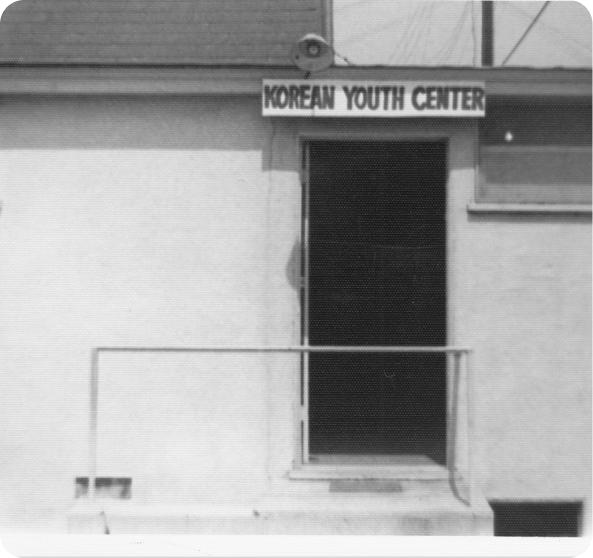
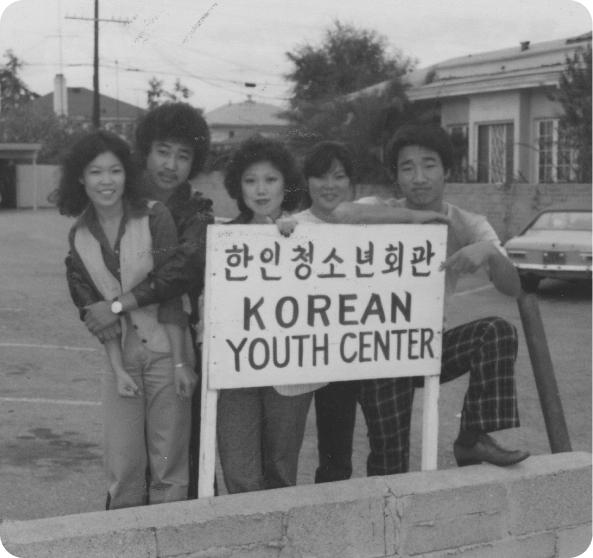
Central to the K-Town Archive's research value is its collection of oral history recordings gathered through community-based fieldwork conducted in accordance with established best practices in trauma-informed oral history methodology, including those outlined by the Oral History Association, Voice of Witness, and When Bearing Witness. Each testimony represents what oral history practitioners understand as a co-constructed account, shaped by the relationship between narrator and interviewer, and offering interpretive and affective dimensions that documentary records alone cannot provide. Researchers will engage with these recordings not merely as data points but as epistemological artifacts, through which memory, identity, and collective sense-making are transmitted across time. The K-Town Archive's metadata architecture ensures that narrators retain meaningful agency over how their testimonies are described, accessed, and contextualized, in alignment with ethical frameworks for community-driven oral history practice.
These recordings are not data points but epistemological artifacts, carrying memory, identity, and collective sense-making across time.
The K-Town Archive is designed to support both traditional research inquiry and emergent methodologies in digital humanities and community-based participatory research. Scholars will be able to conduct longitudinal analysis of neighborhood change, trace intergenerational patterns of displacement and resilience, and situate local histories within broader regional and national frameworks. By functioning as a living archive rather than a closed collection, the repository invites ongoing contribution from community members, ensuring that its holdings reflect the evolving nature of collective memory and social remembrance. This model of active, community-accountable stewardship advances the K-Town Archive's core commitment to making primary source knowledge not only accessible to credentialed researchers, but legible and useful to the communities whose histories it holds.

Get in touch